P-52 Uncovering urinary protein biomarkers for early diagnosis and evaluation of hereditary angioedema Jianqing Wu 1 , Nan Zhou 2 , Yuxiang Zhi 2,* 1 State Key Laboratory of Complex Severe and Rare Diseases, Peking Union Medical College Hospital, Chinese Academy of Medical Sciences and Peking Union Medical College, Beijing, China
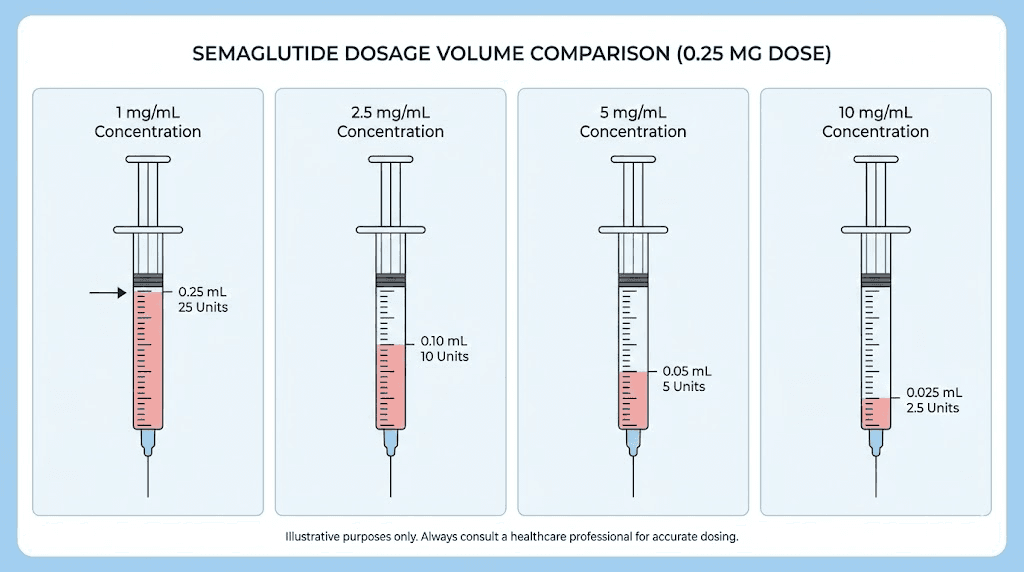
If youre a clinician considering microdosing: Be explicit: We dont know exactly how or why this might work at this dose Consider it especially for: Normal-weight patients with metabolic dysfunction Patients who cant tolerate higher doses Conditions with strong mechanistic rationale (PCOS, autoimmune disease, addiction) Monitor objectively: weight and body composition, waist circumference, labs, symptom scores, not just subjective reports Track patients who dont lose weight but report benefits - these are your most interesting cases Document everything, contribute to registries If youre a patient considering microdosing: Understand that benefits without weight loss are reported but not proven Know that you might be benefiting from small amounts of visceral fat loss that dont show on your scale Be skeptical of your own subjective improvement (placebo is real) Know that all medications come with possible side effects Work with a clinician who will help you figure out if its actually working If youre a researcher: Please study the minimal effective dose Use imaging to measure visceral fat, not just scale weight Design studies in normal-weight metabolically unhealthy individuals Compare weight-matched groups to isolate non-weight-loss effects My opinion
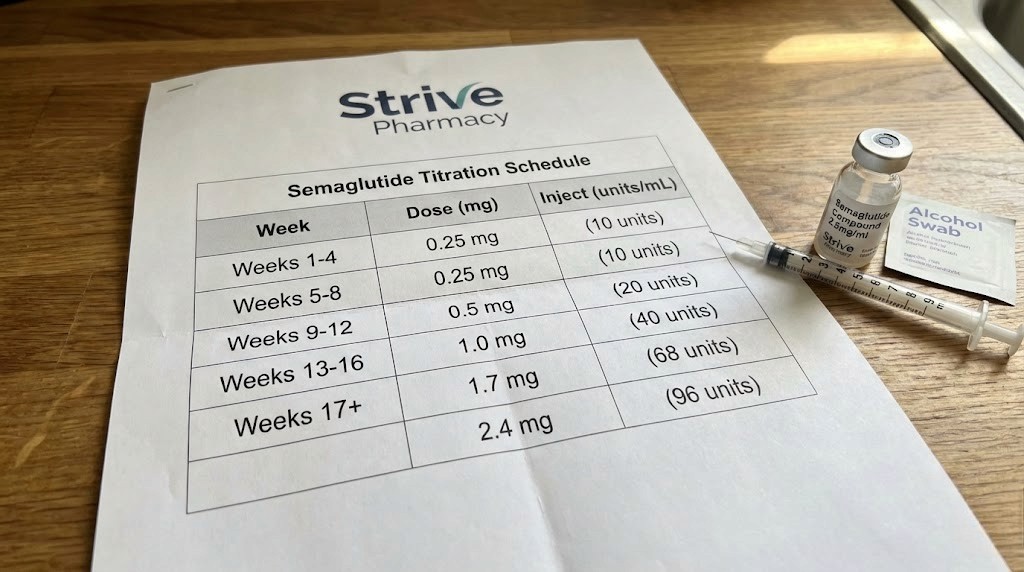
Semaglutide for Weight Loss: Dosage and Administration Guidelines Semaglutide has made waves in the healthcare field over the past few yearsfirst as a new medication for treating type 2 diabetes, and more recently as a medication prescribed to treat obesity
It improves insulin sensitivity so your body processes glucose more efficiently